Dr. Arun Raghavendar's Welcomes you
Homam
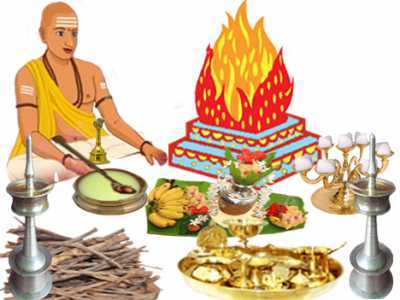
Homam is a Vedic fire ritual that is mostly performed in Hinduism, Buddhism and Jainism. It is also referred to as homam or havan. Its origins can be found in ancient India.
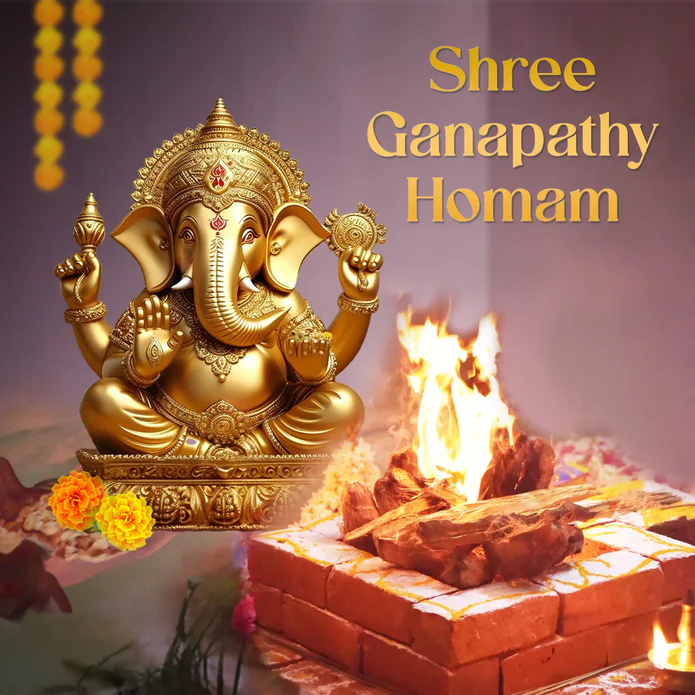
Ganapathy Homam
Dedicated to Lord Ganesha, it is performed before new ventures or monthly for auspicious beginnings and removing obstacles.
Lakshmi Kubera Homam
Dedicated to Goddess Lakshmi and Lord Gubera to bring prosperity, financial stability and wealth.
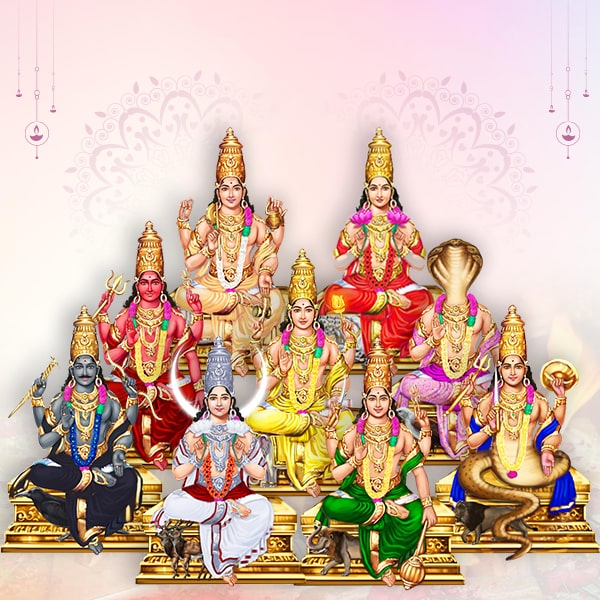
Navagraha Homam
Performed to appease the nine planets, mitigating malefic effects in one's horoscope and bringing harmony.

Homam Homam (or Havan) is an ancient Hindu Vedic fire ritual where offerings like ghee, grains, herbs and twigs are sacrificed into a consecrated fire (Agni) while chanting mantras. Performed by trained Priests or individuals to invoke deities, it is believed to purify the environment, remove negative energy and bring prosperity, health and spiritual growth.
History of Homam
The history of homam is deeply entrenched in the Vedas (Rig Veda, Yajur Veda, Atharva Veda), where Agni (the fire god) is worshipped as the mediator between humanity and the divine.
ANCIENT INDIA: Historically, it was performed as a significant sacrifice (Yajna) to invoke gods for protection, prosperity and spiritual growth.
CULTURAL SPREAD: The practice extended beyond India to Central, East and SouthEast Asia.
Performed by trained Priests or individuals to invoke deities, it is believed to purify the environment, remove negative energy and bring prosperity, health and spiritual growth. The history of homam is deeply entrenched in the Vedas (Rig Veda, Yajur Veda, Atharva Veda), where Agni (the fire god) is worshipped as the mediator between humanity and the divine.
© Copyright @ drarun.co.in All Rights Reserved.